Our Story
Unity has recently undertaken a yearlong multi-faceted heritage lottery project, A Radical Reimaging. It involved LJMU Libraries have archiving over 100 years of history with an exhibition, performances, restoration of stained glass which you can see in our bar, workshops, oral histories, and work with communities and our Young Radical Theatre Makers.
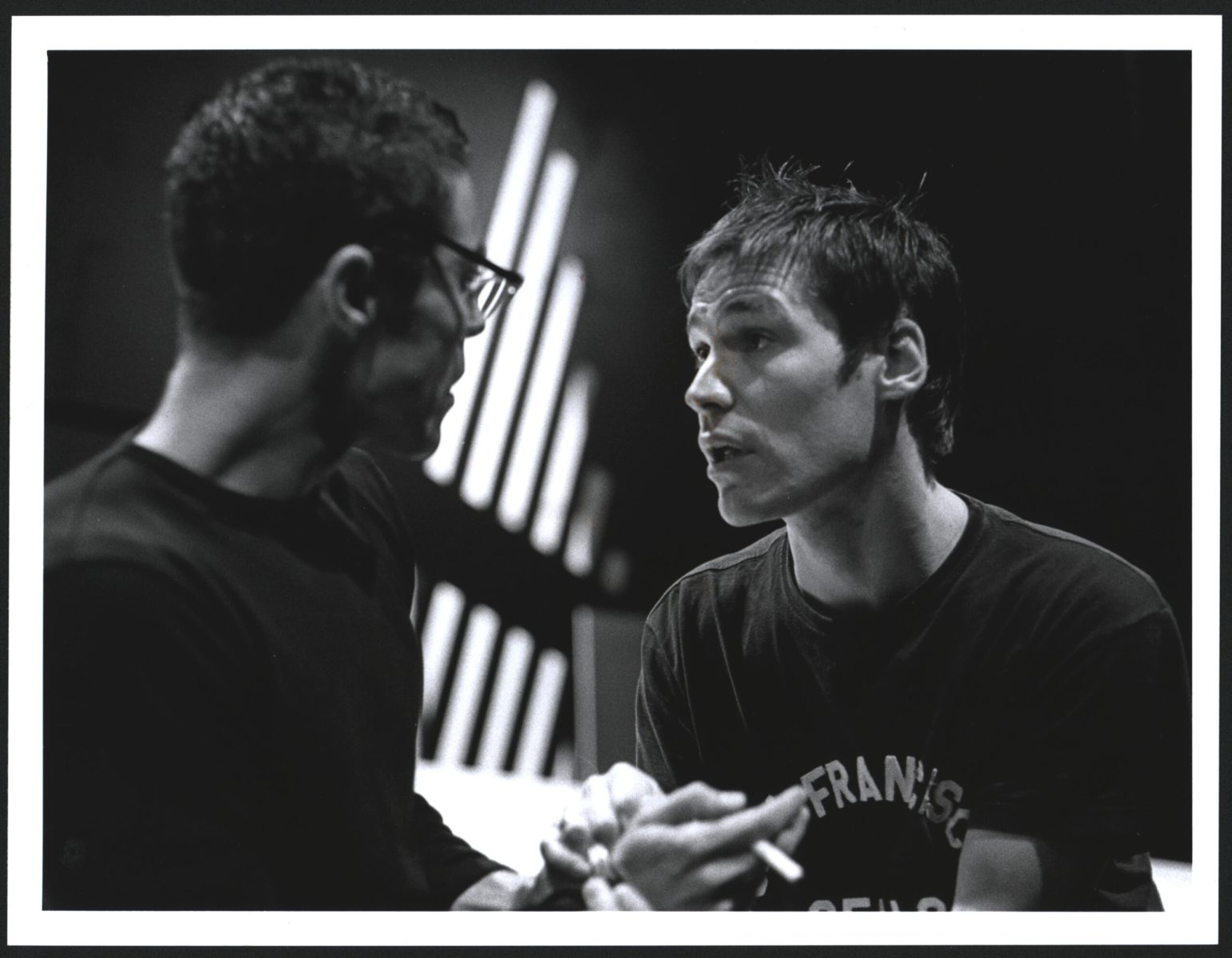
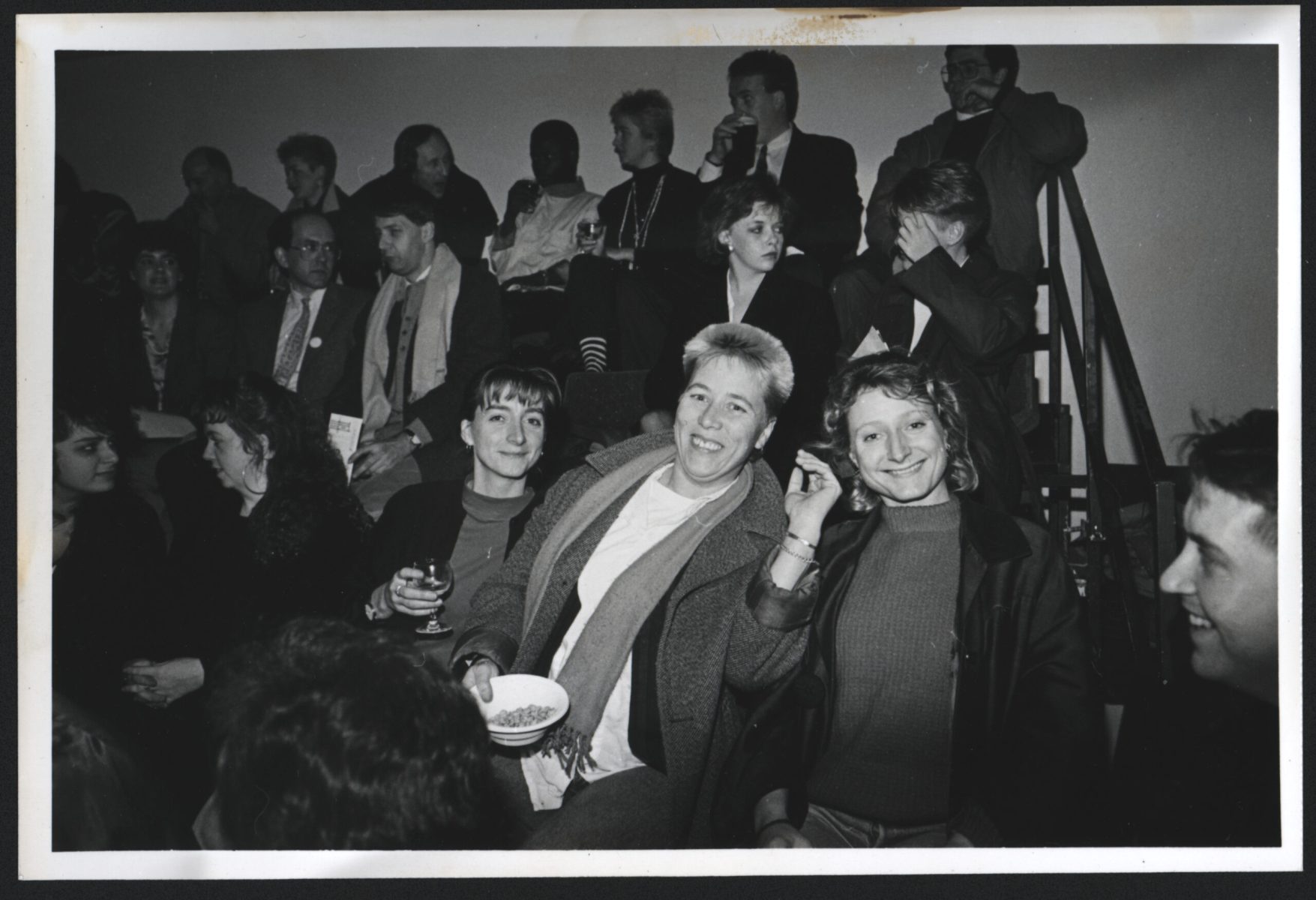
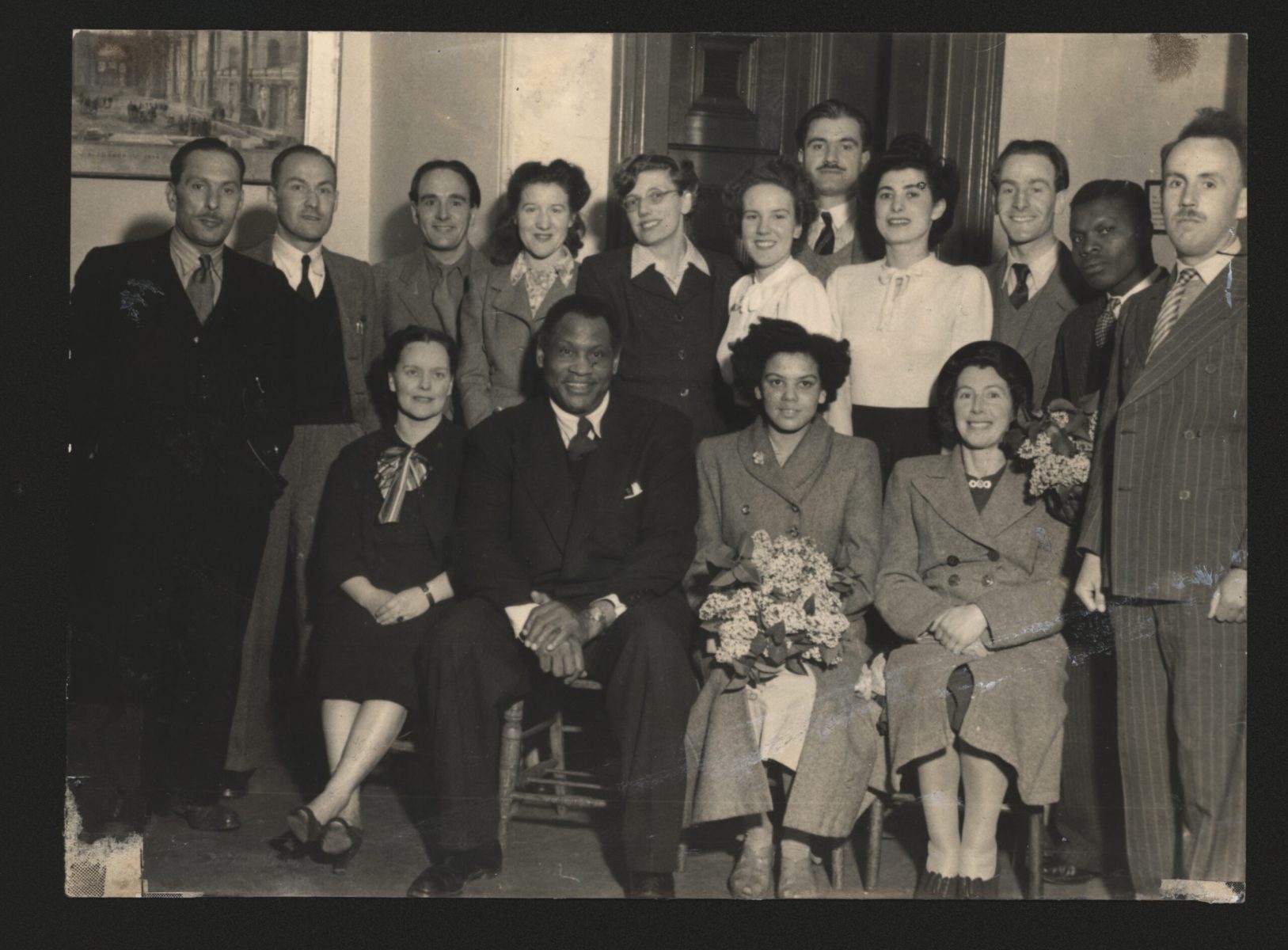
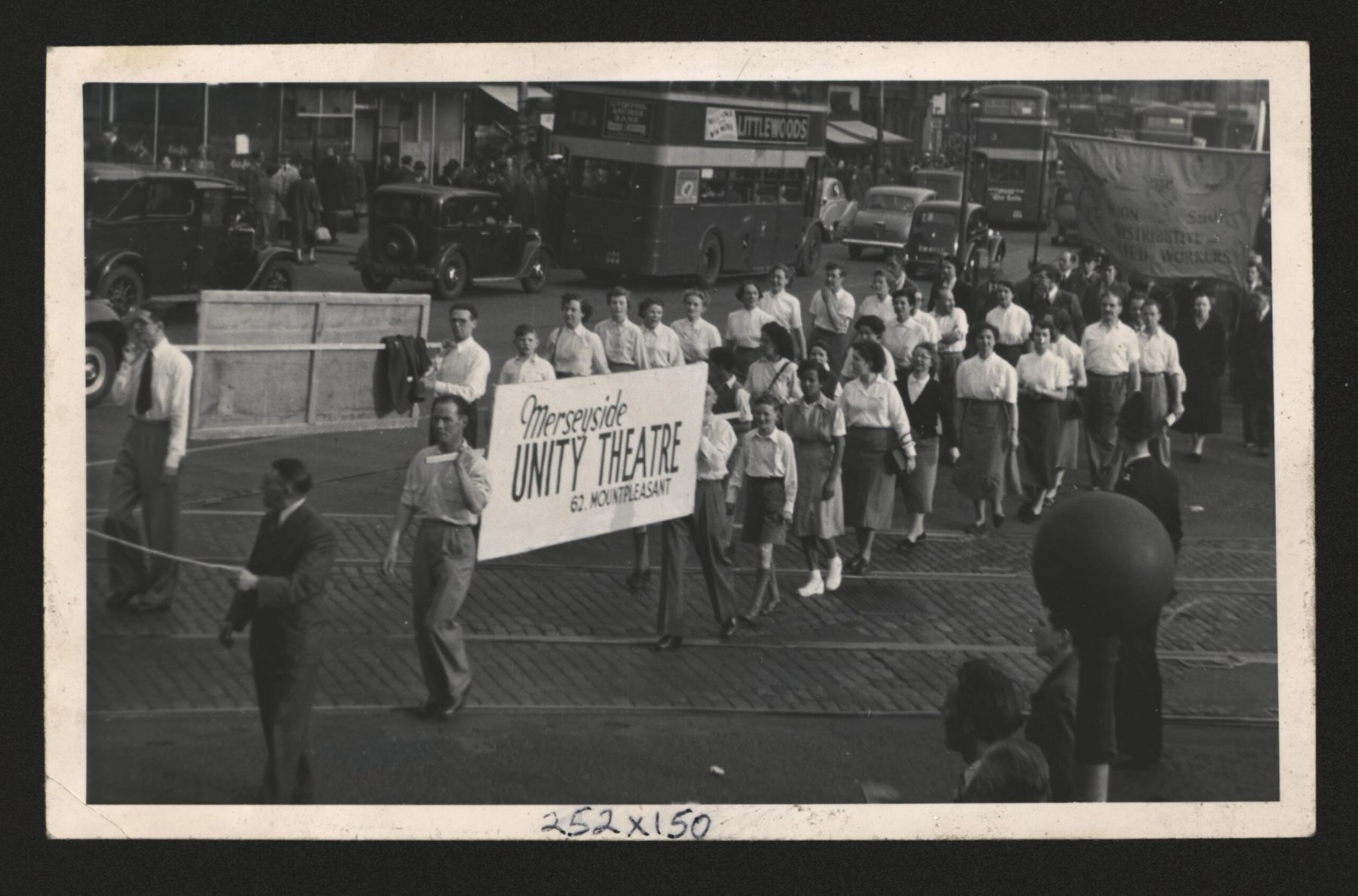
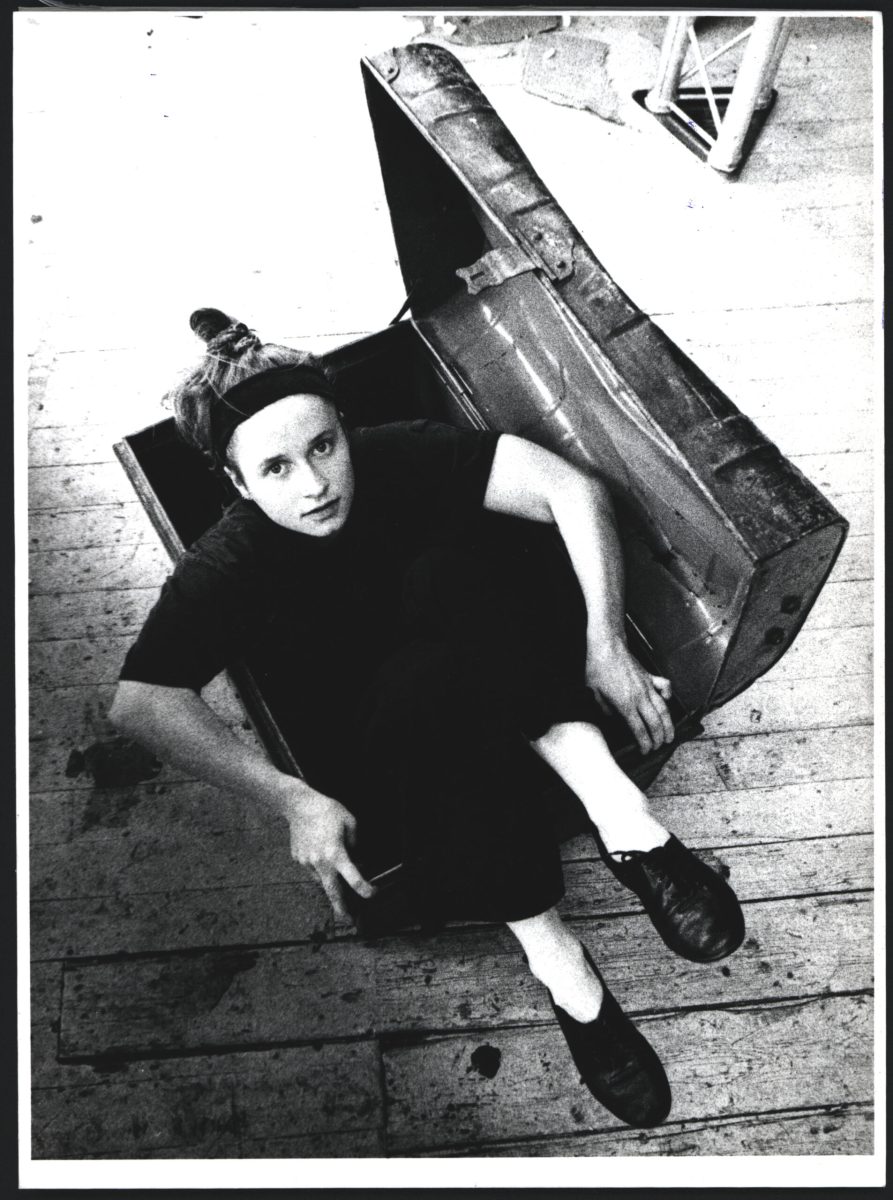
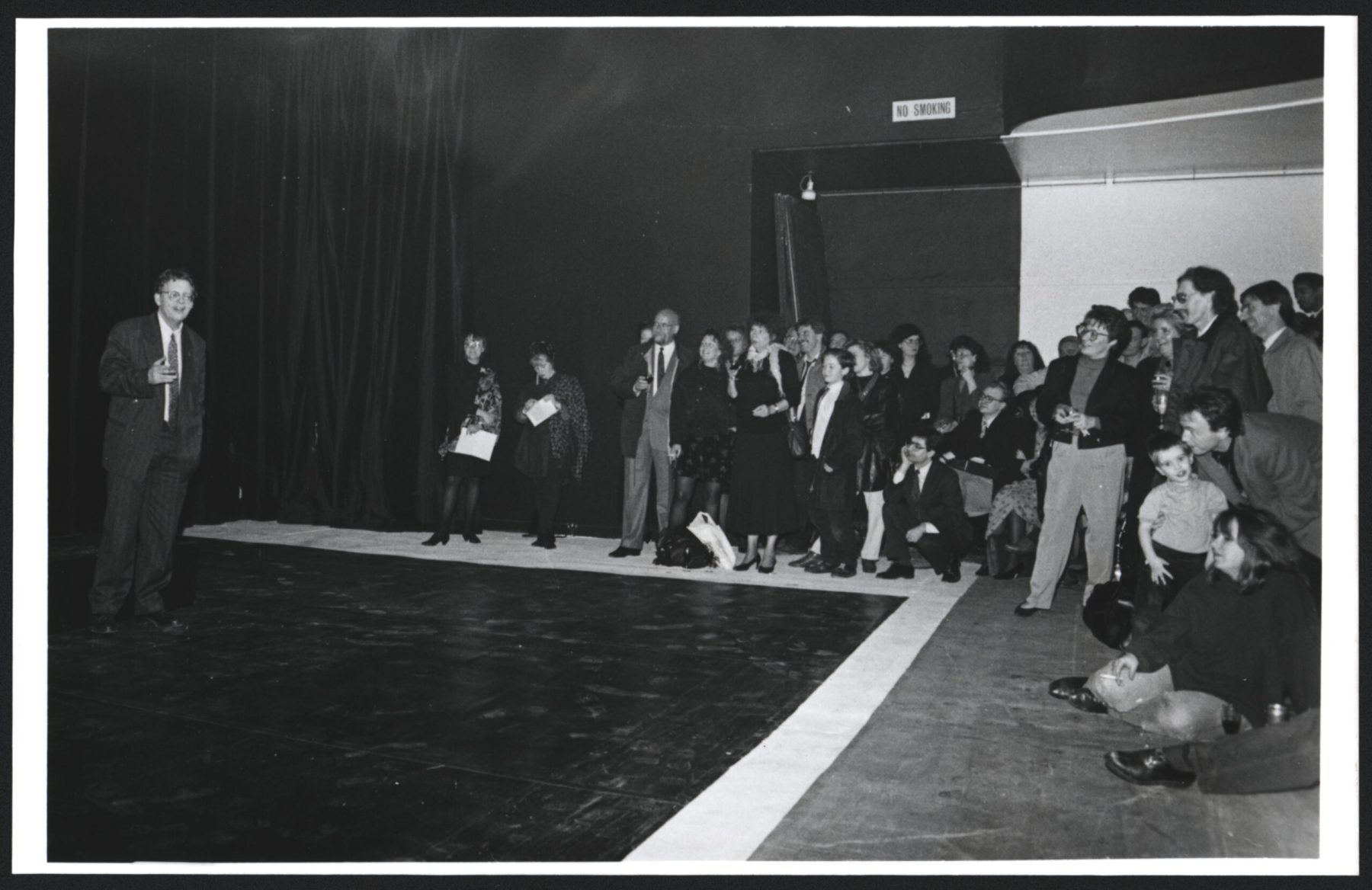
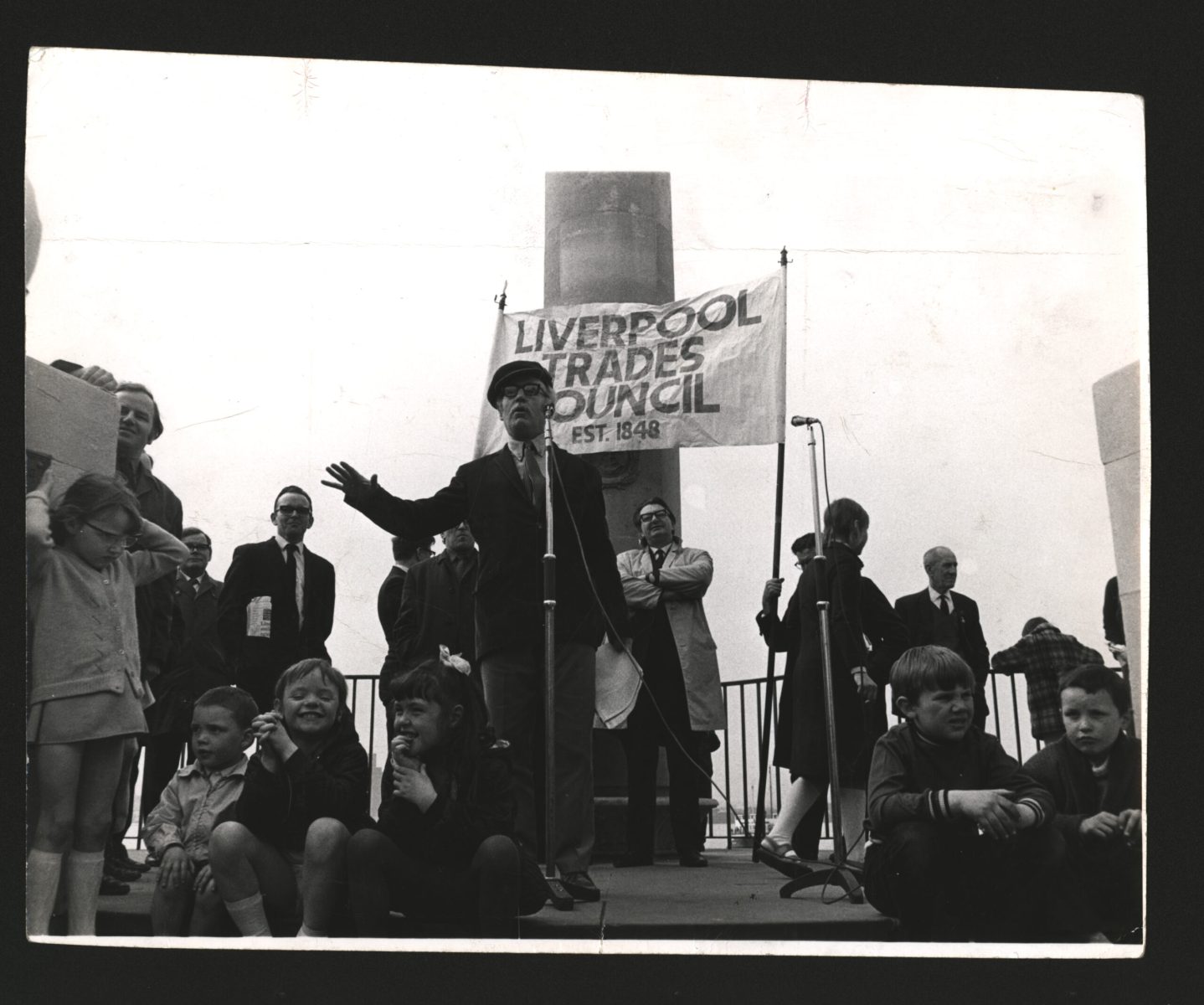
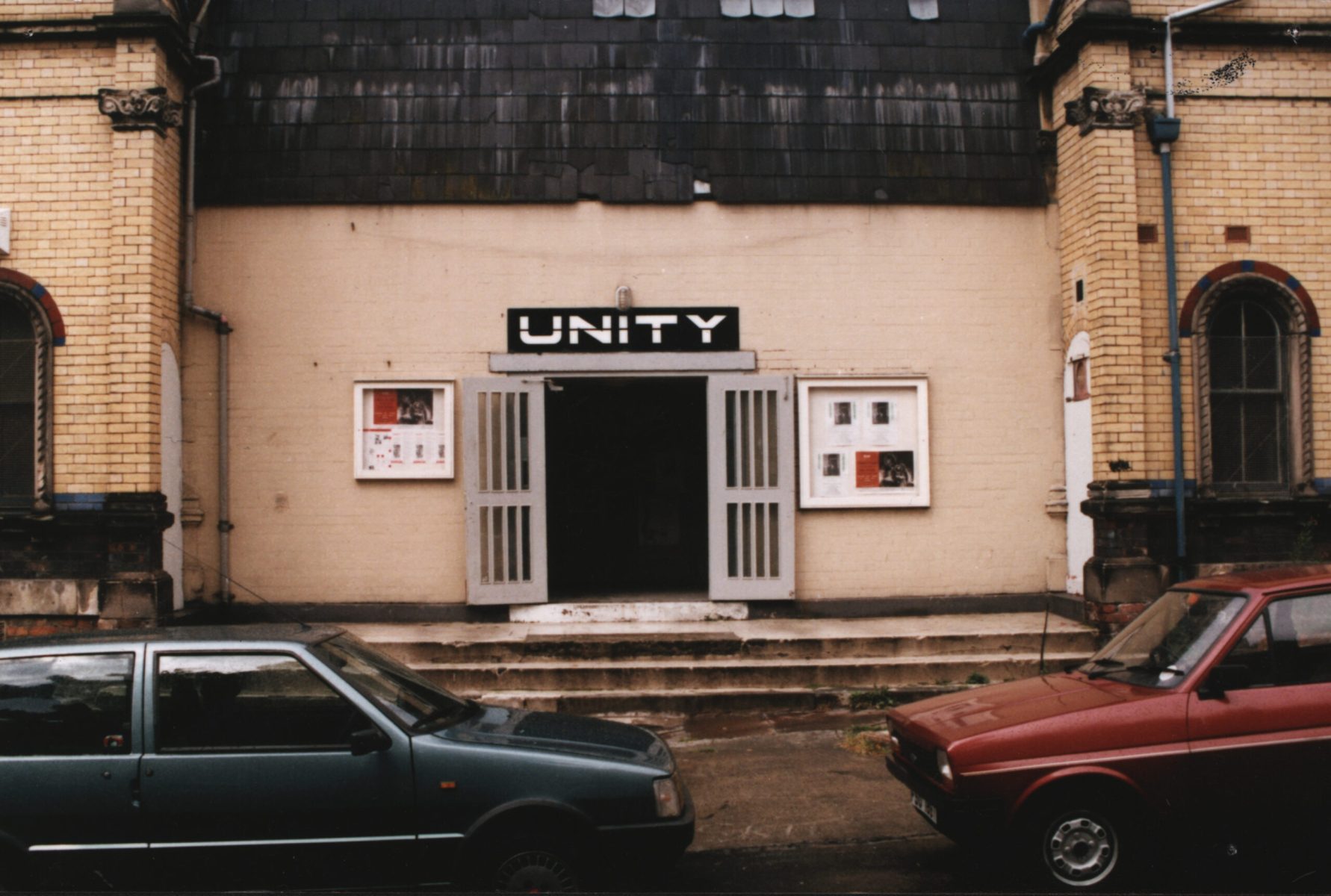
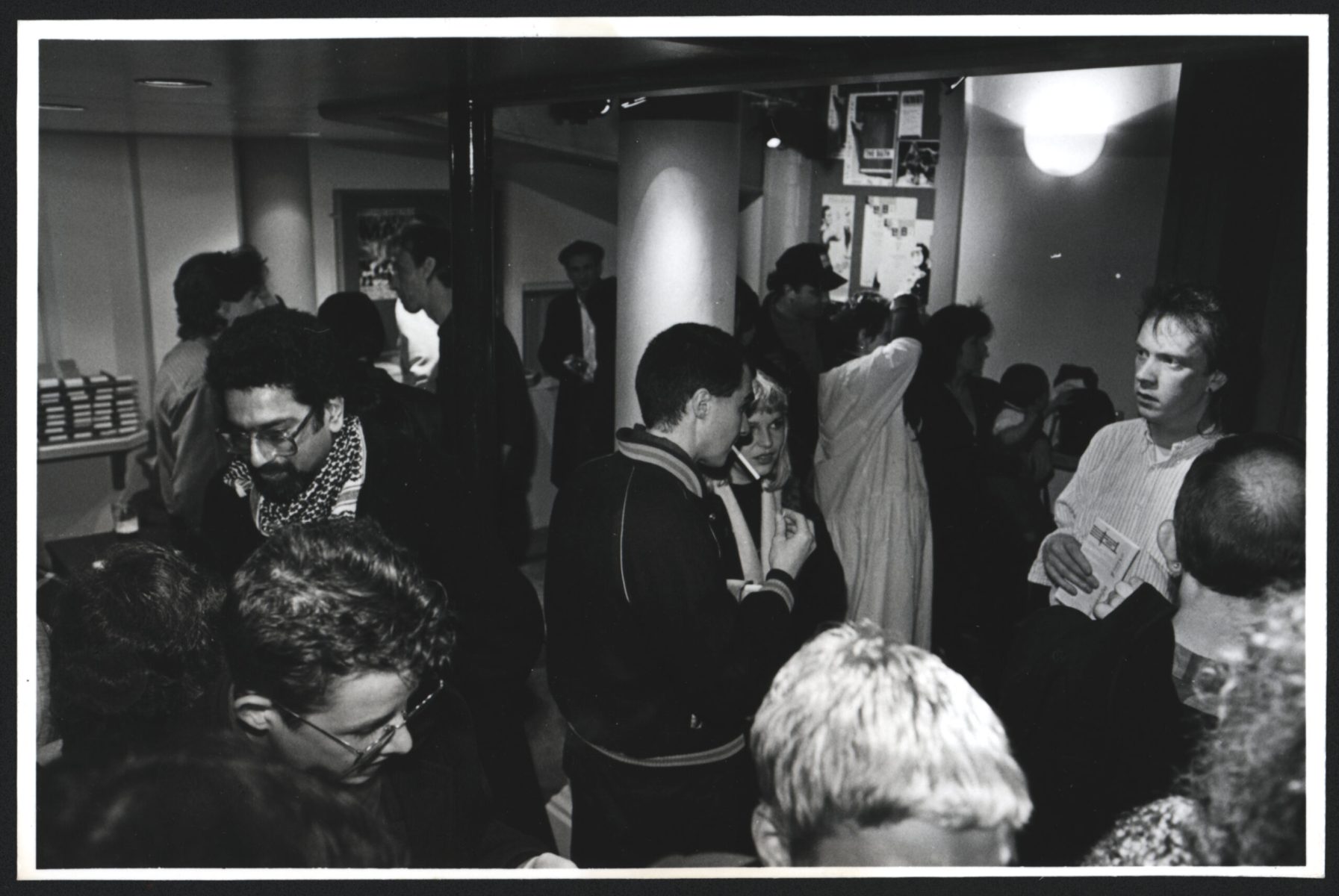
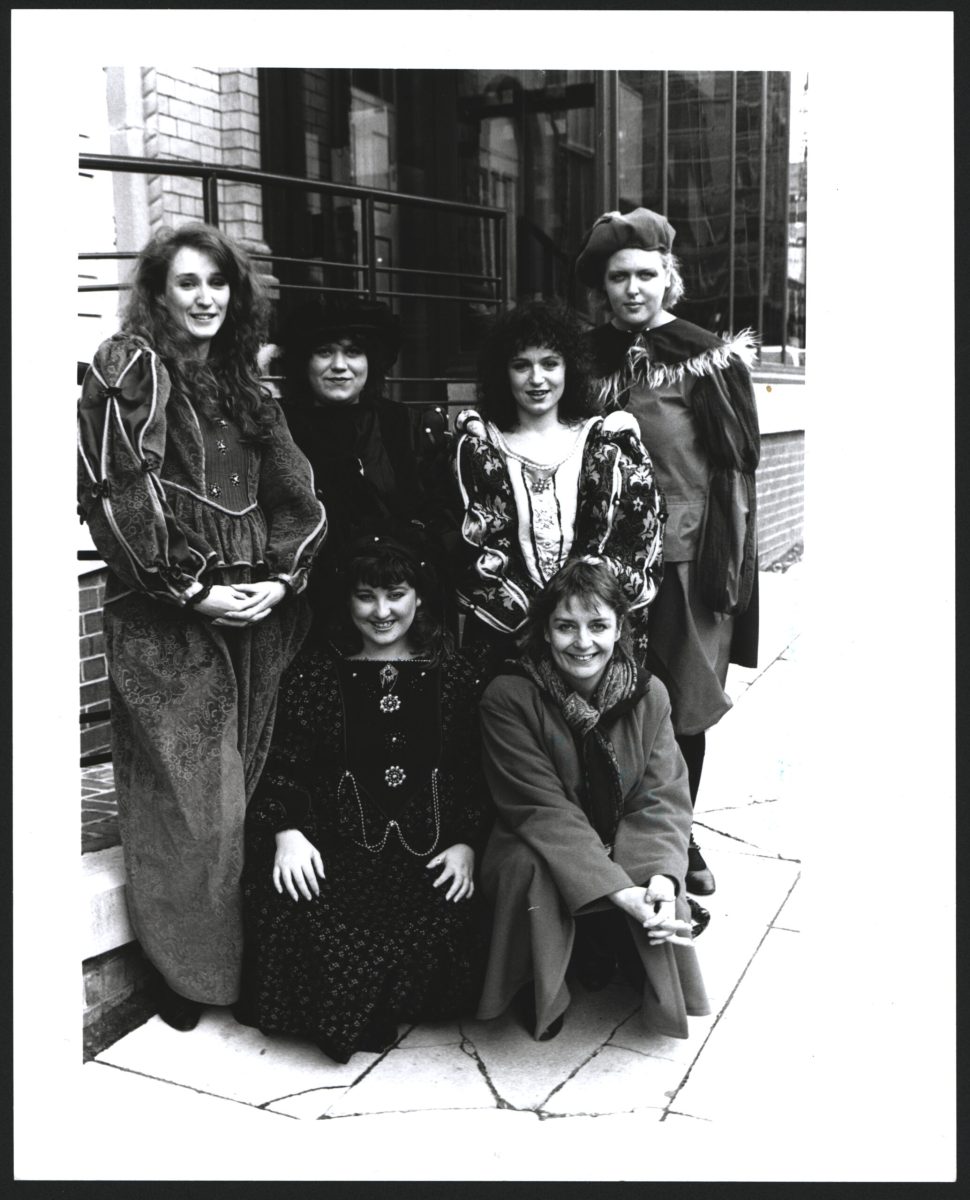
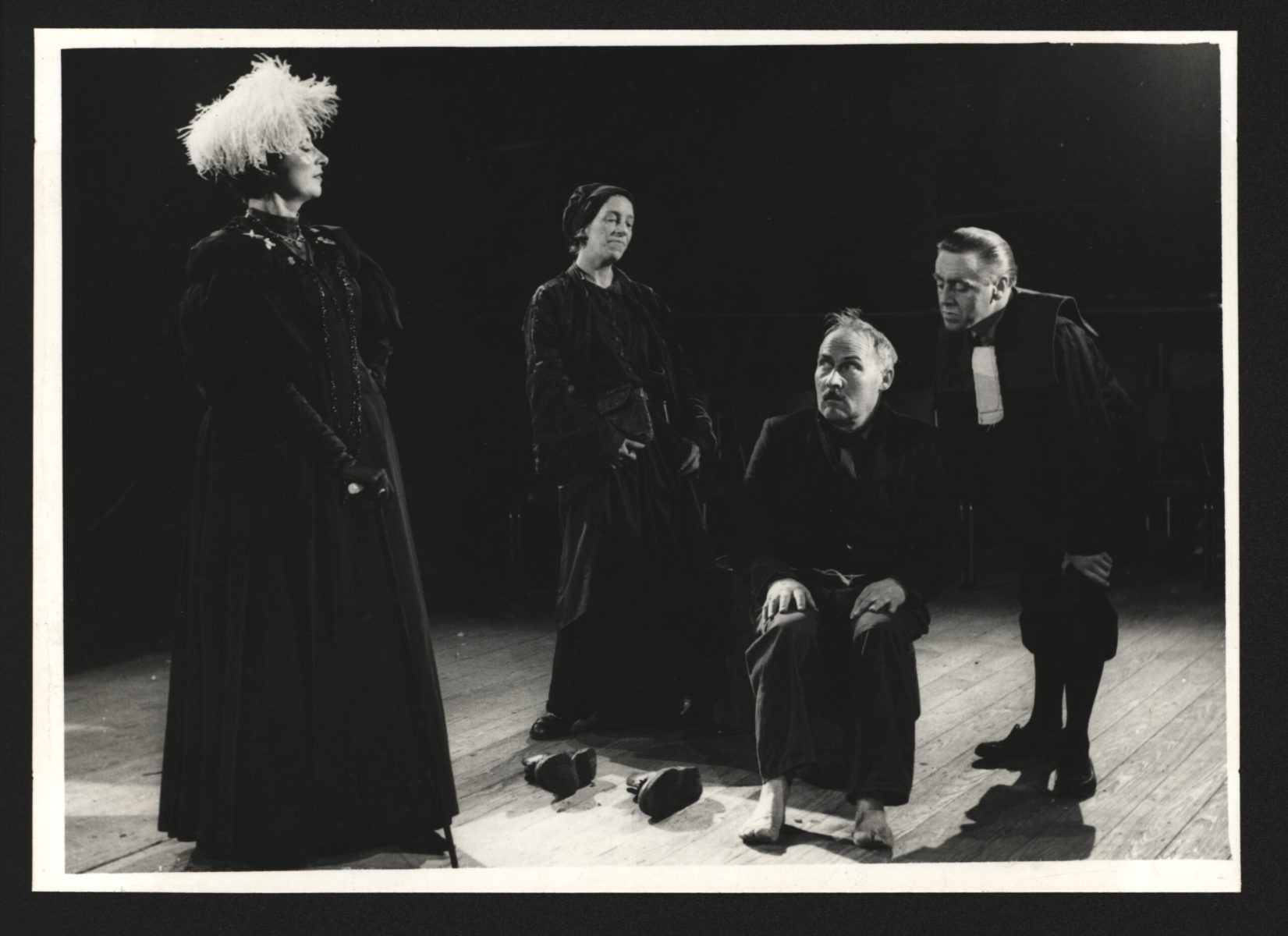
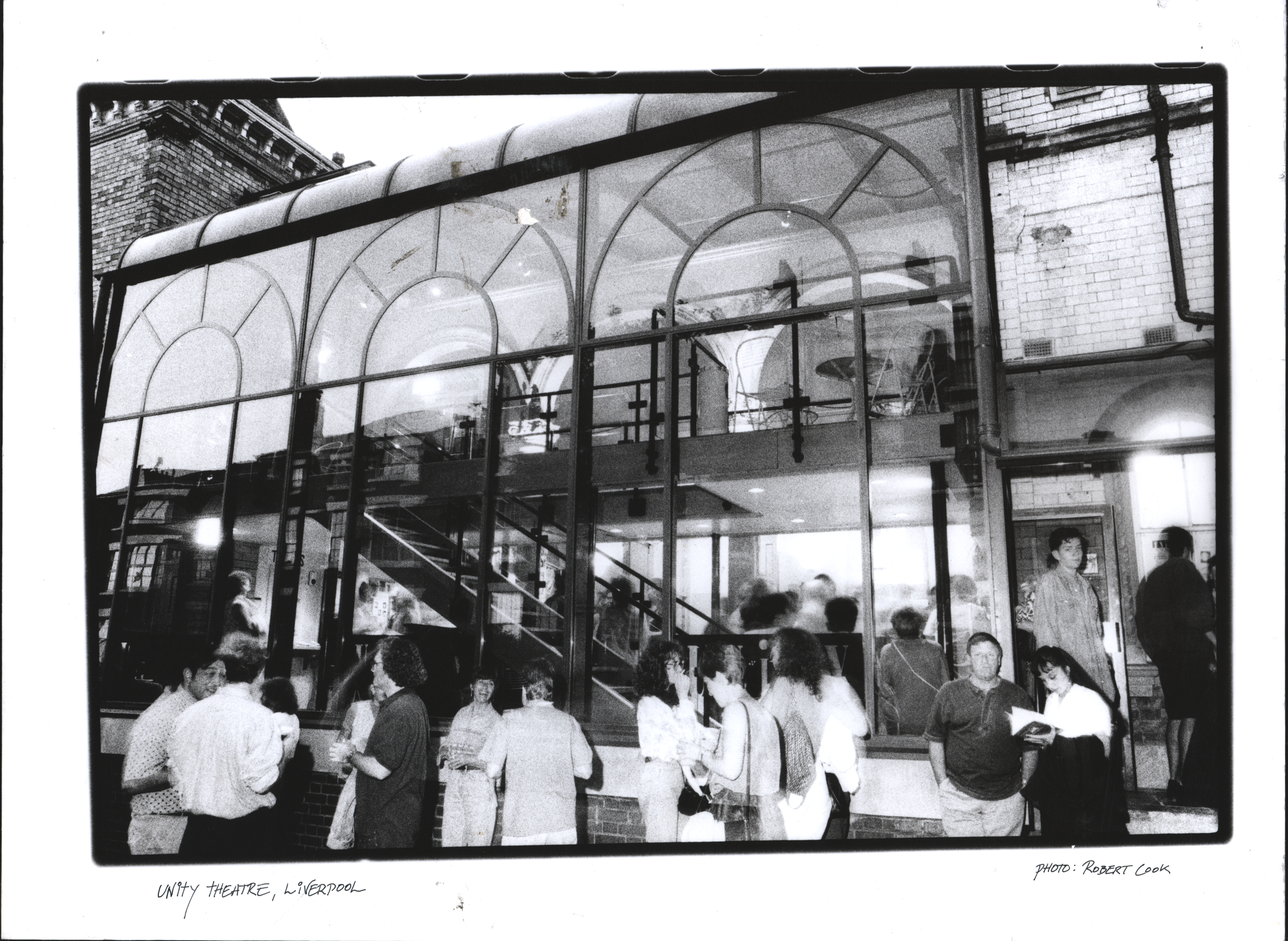
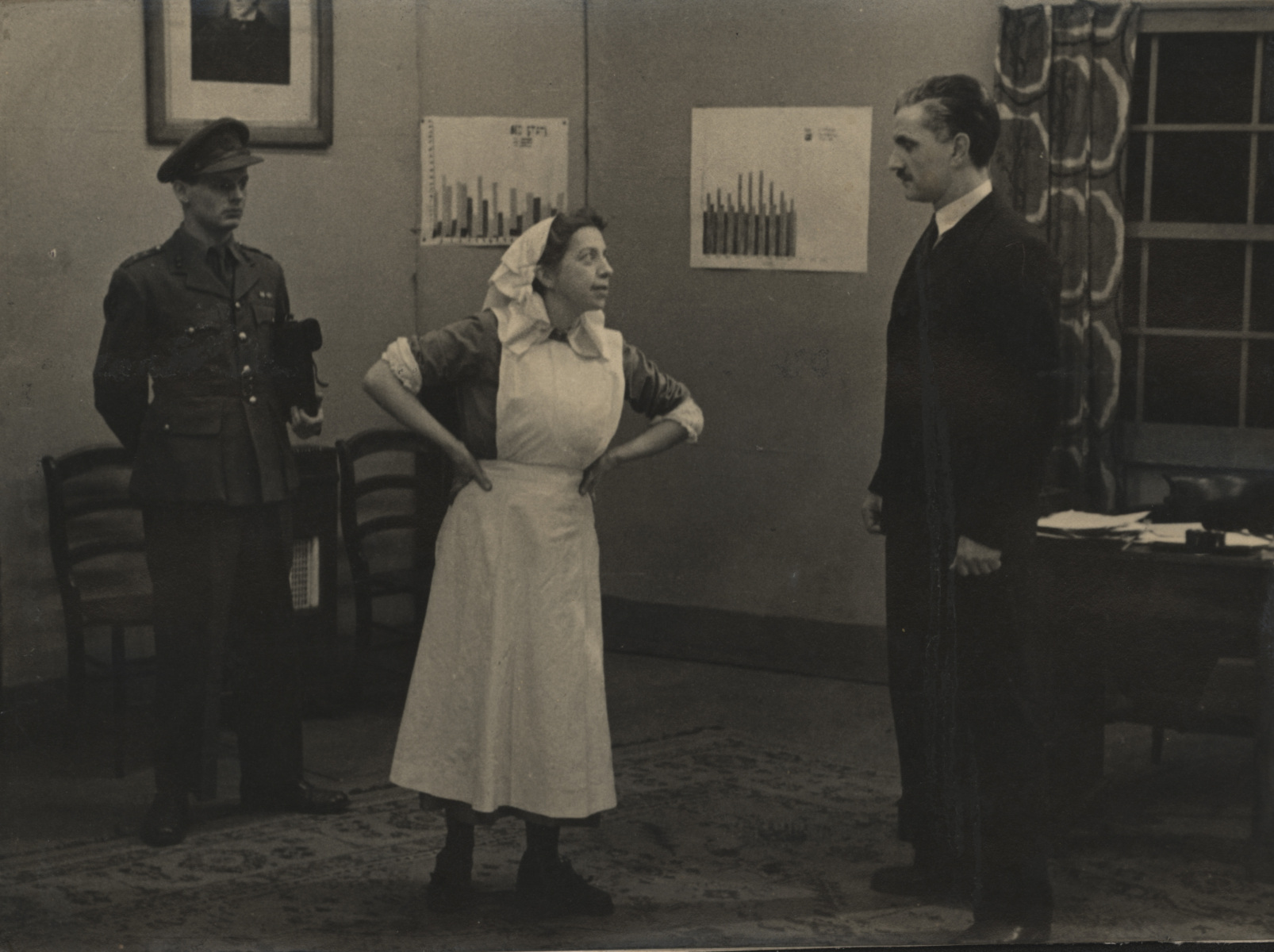
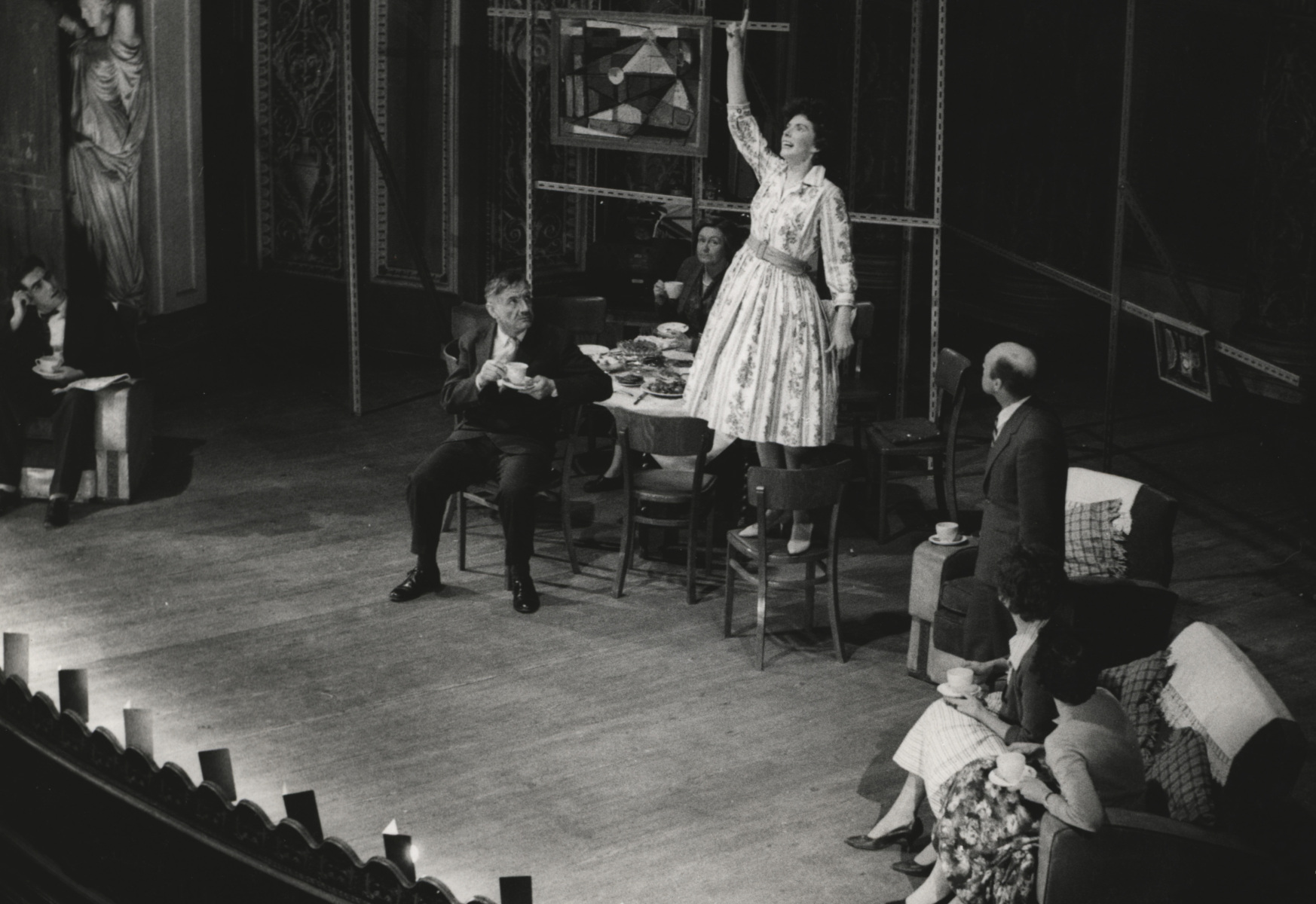
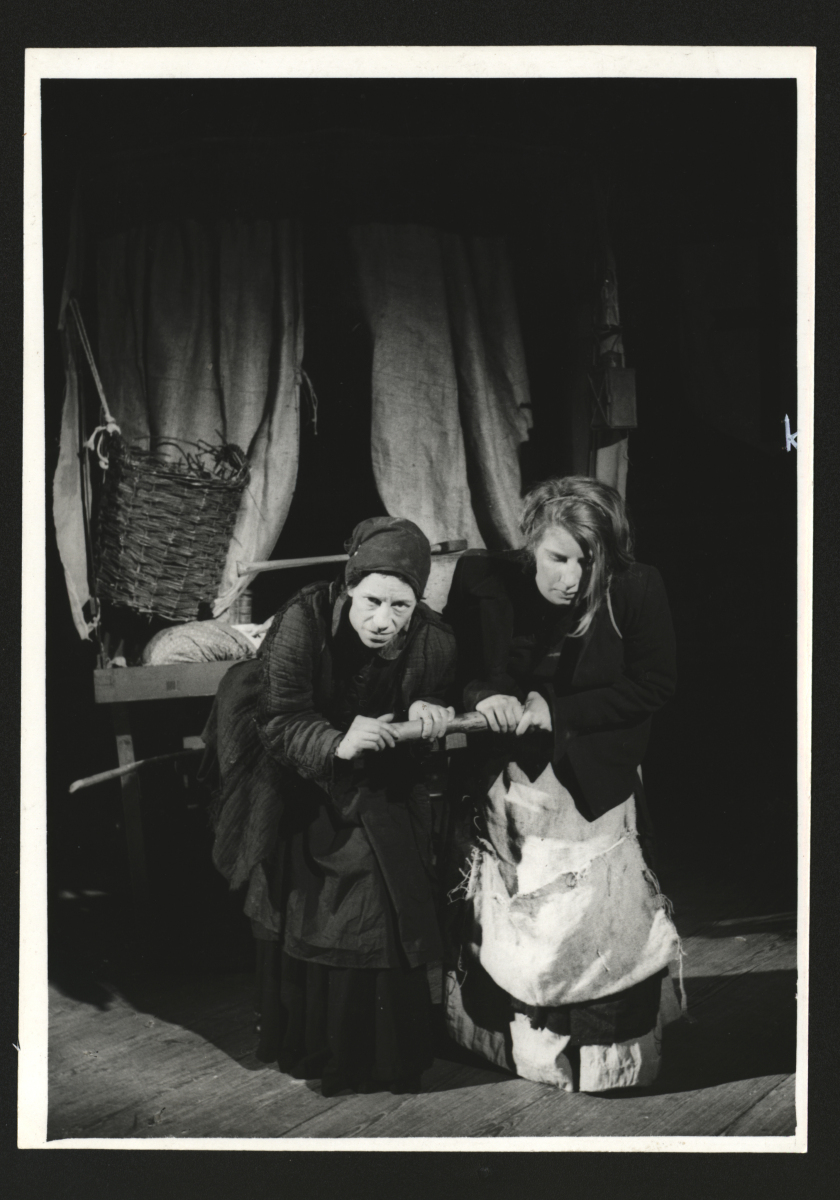
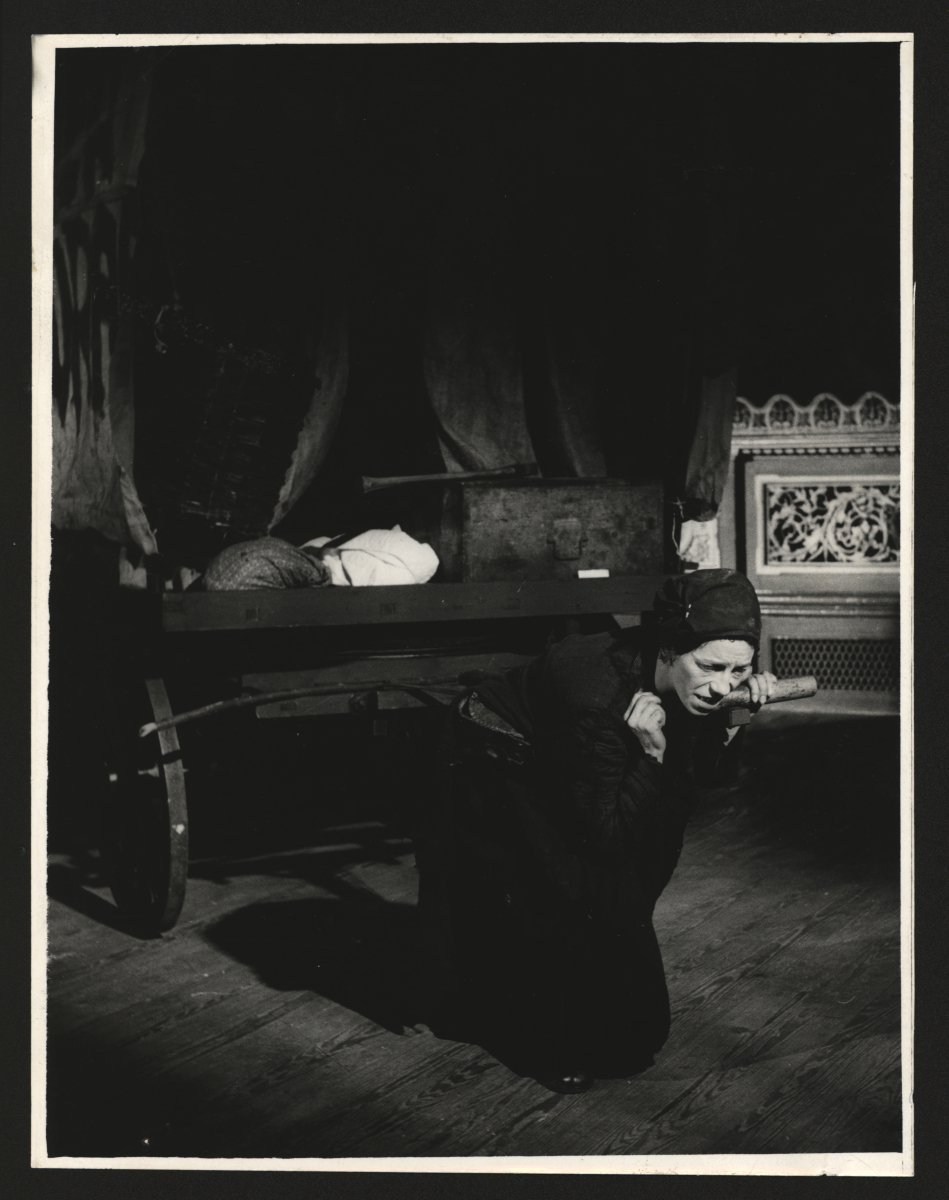
The theatre traces its roots back to the 1930s, a time when workers’ movements and political unrest were prevalent across the UK. Originally known as the Merseyside Left Theatre, the company performed in a variety of unconventional locations such as street corners, pubs, and community halls. The productions often dealt with political themes, addressing issues like workers’ rights, unemployment, and the effects of fascism and capitalism. By 1944, the company joined forces with London Unity Theatre, becoming part of a broader national movement, and eventually established itself as Unity Theatre Liverpool.
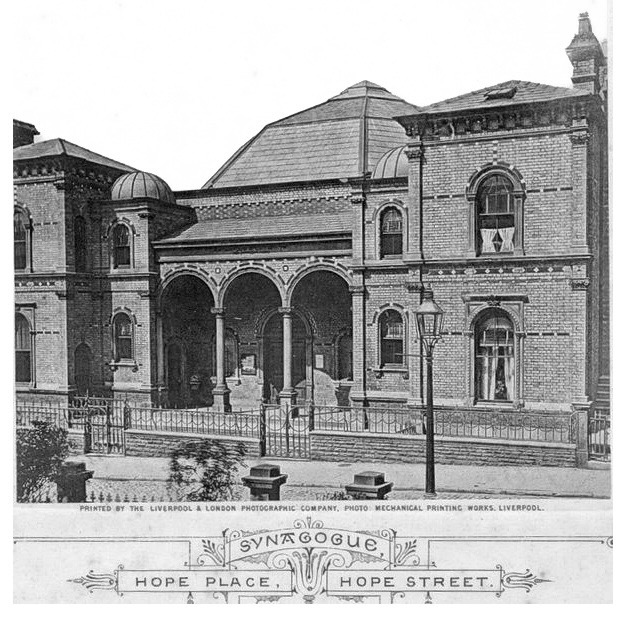
The Unity Theatre is a unique building with an interesting story. It was built in 1857 as a synagogue for Liverpool’s new Hebrew congregation, Liverpool’s oldest.
Timeline of Unity Theatre
· Foundation stone laid for Hope Street Synagogue 1856
· Opens as Hope Place, 9th September 1857
· Closes in 1965
· John Mills Photographers occupied the building from 1968 – 1978
· 1979 Unity Theatre get the lease
· 1980- Two week opening festival
· 1982–1985 -Construction of a permanent theatre structure, creation of auditorium, stage, and backstage facilities
· 1997/98- Major Capital re-development 1 million lottery grant for re-build, removal of dome and second studio space created
· 2017/18 Capital work for major alterations to public spaces, entrance, foyer and first floor bar.
Our Heritage Productions
Stage Left was a production created by Artistic Director, Eli Randle exploring the history of Unity
Young Radical Theatre Makers was created as part of our heritage project in order to look at the future as well as the past, 19 young theatre makers worked with practitioners Grace Gallagher and Mariana Pires on a new piece, ‘Please Make it Hopeful!’
View our Heritage Project in more depth here
History of the Hope Street Synagogue 1857-1965
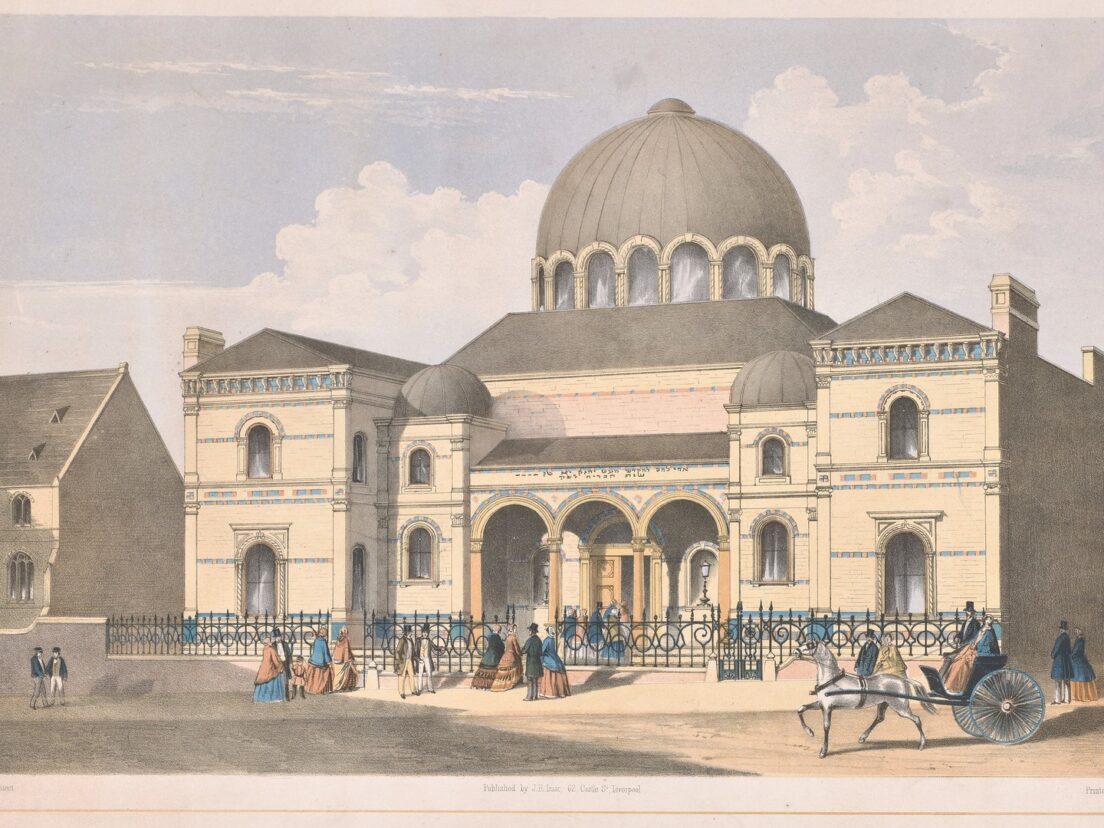
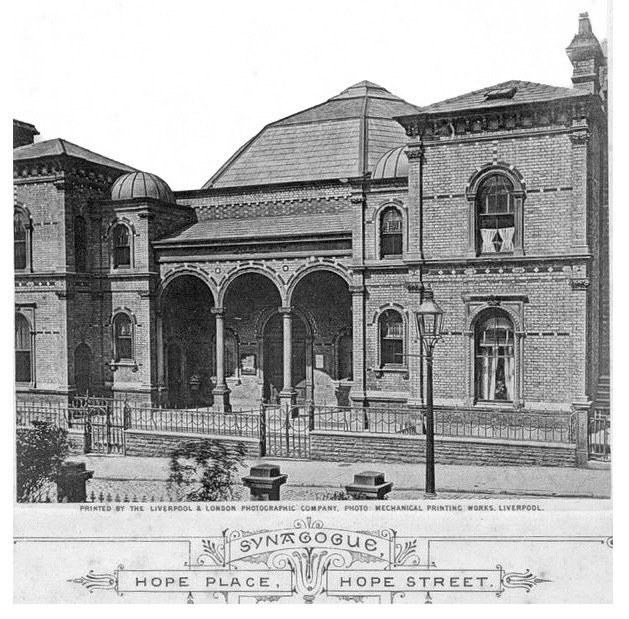
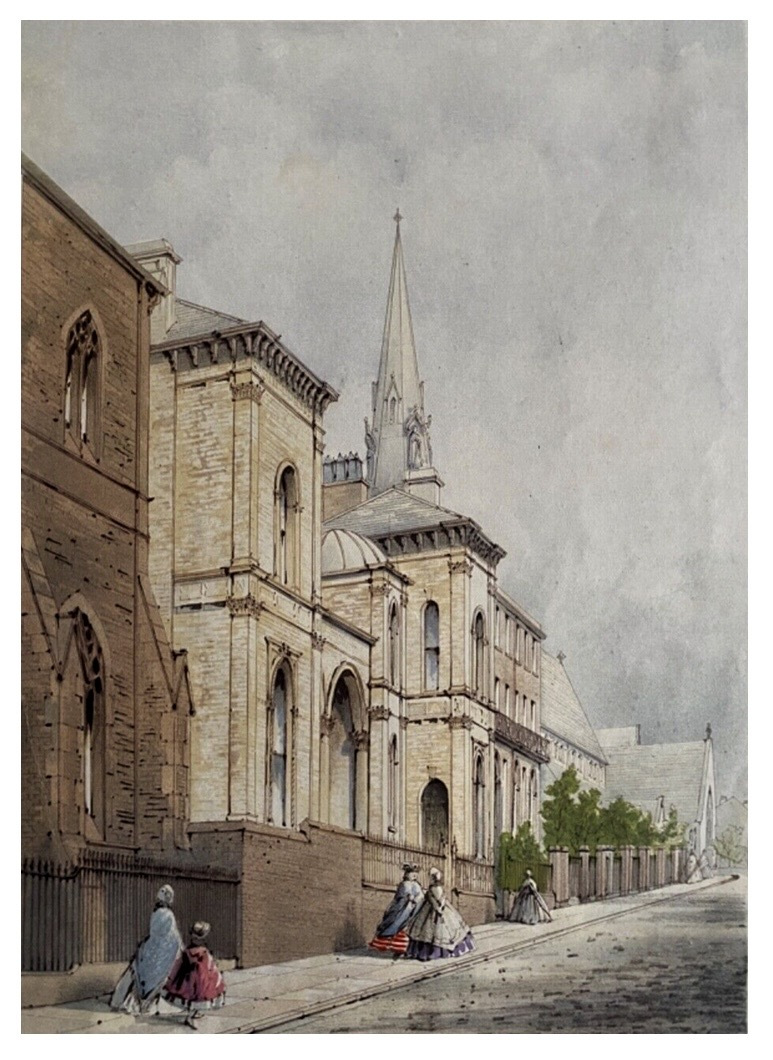
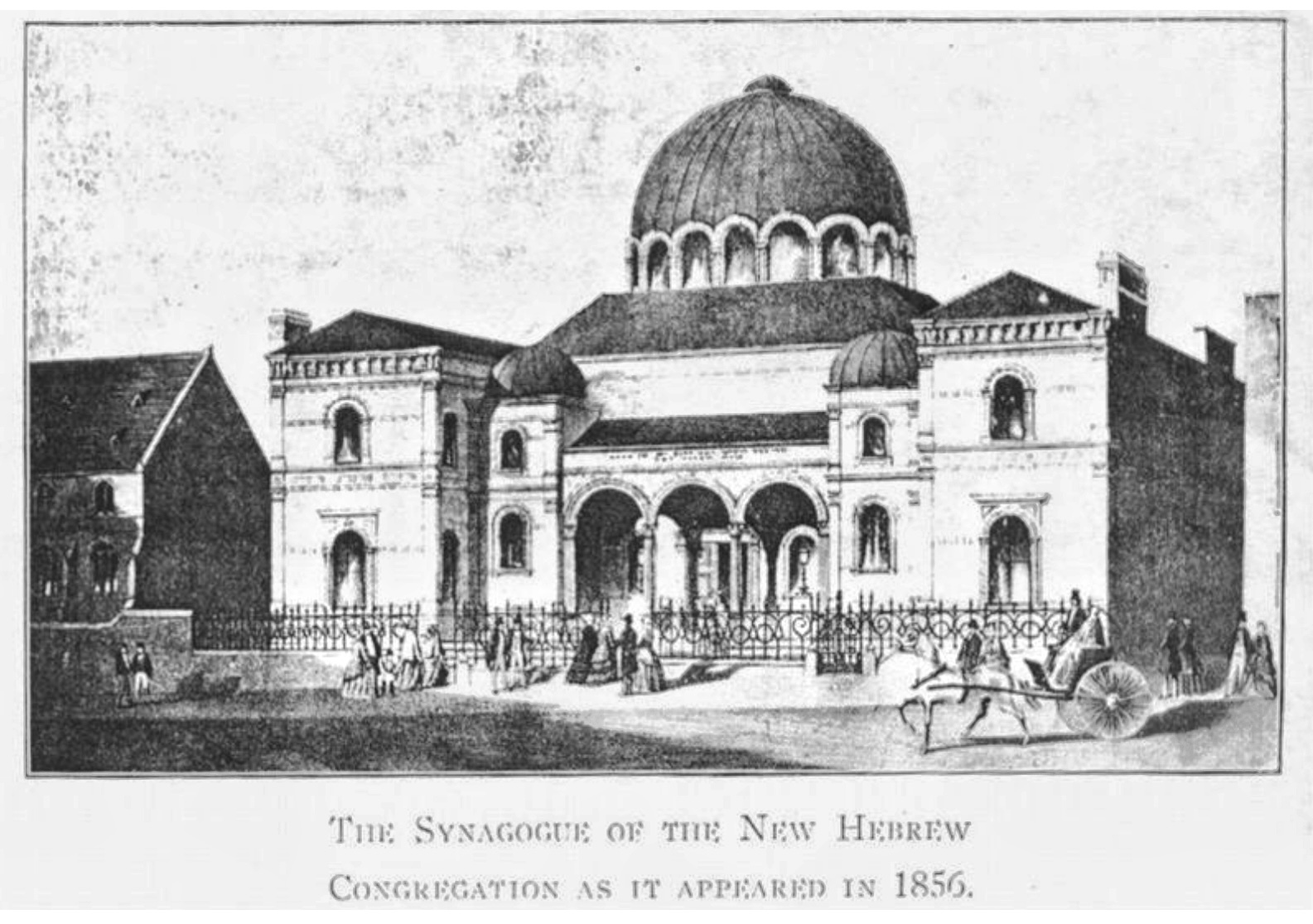
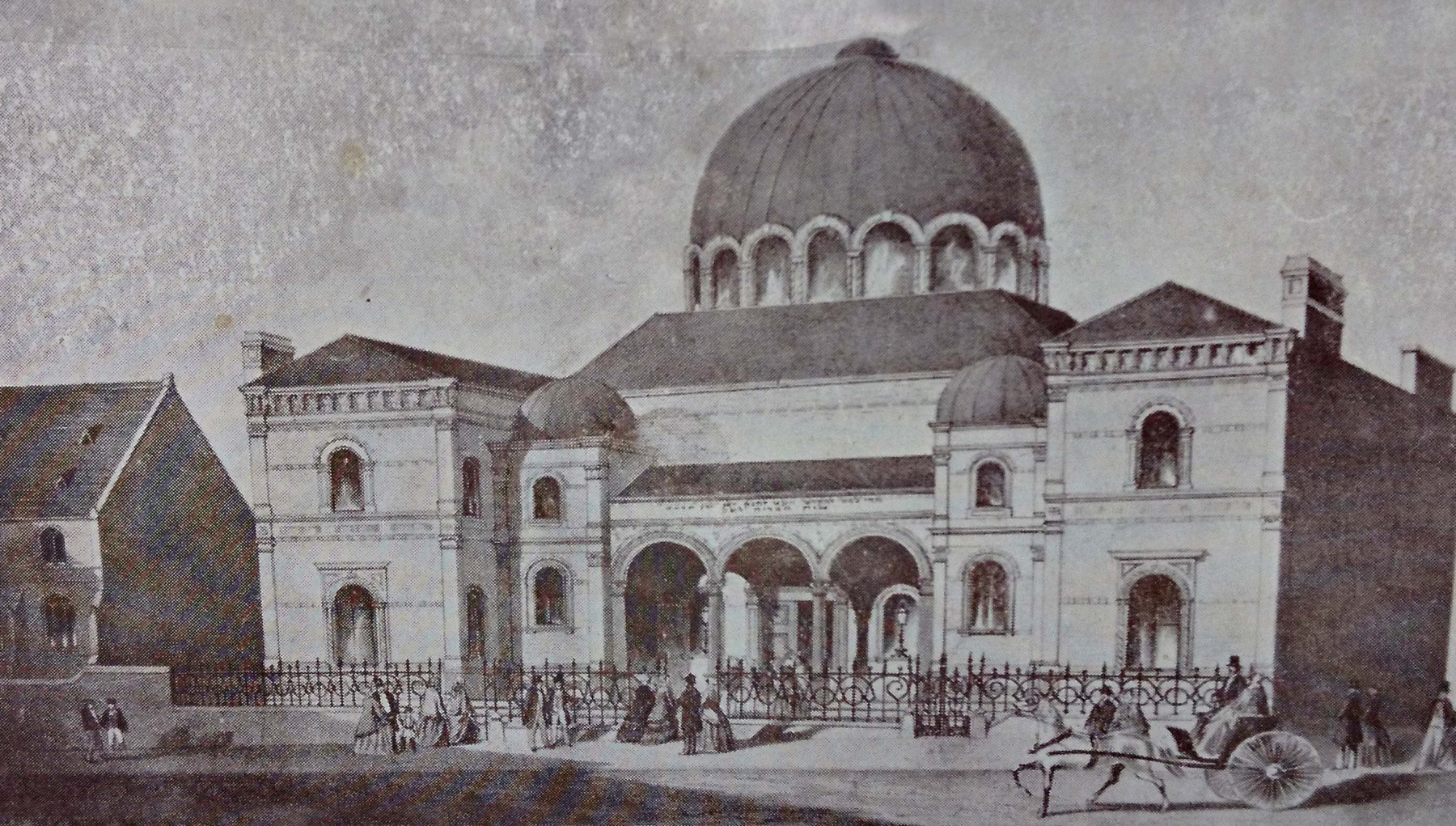
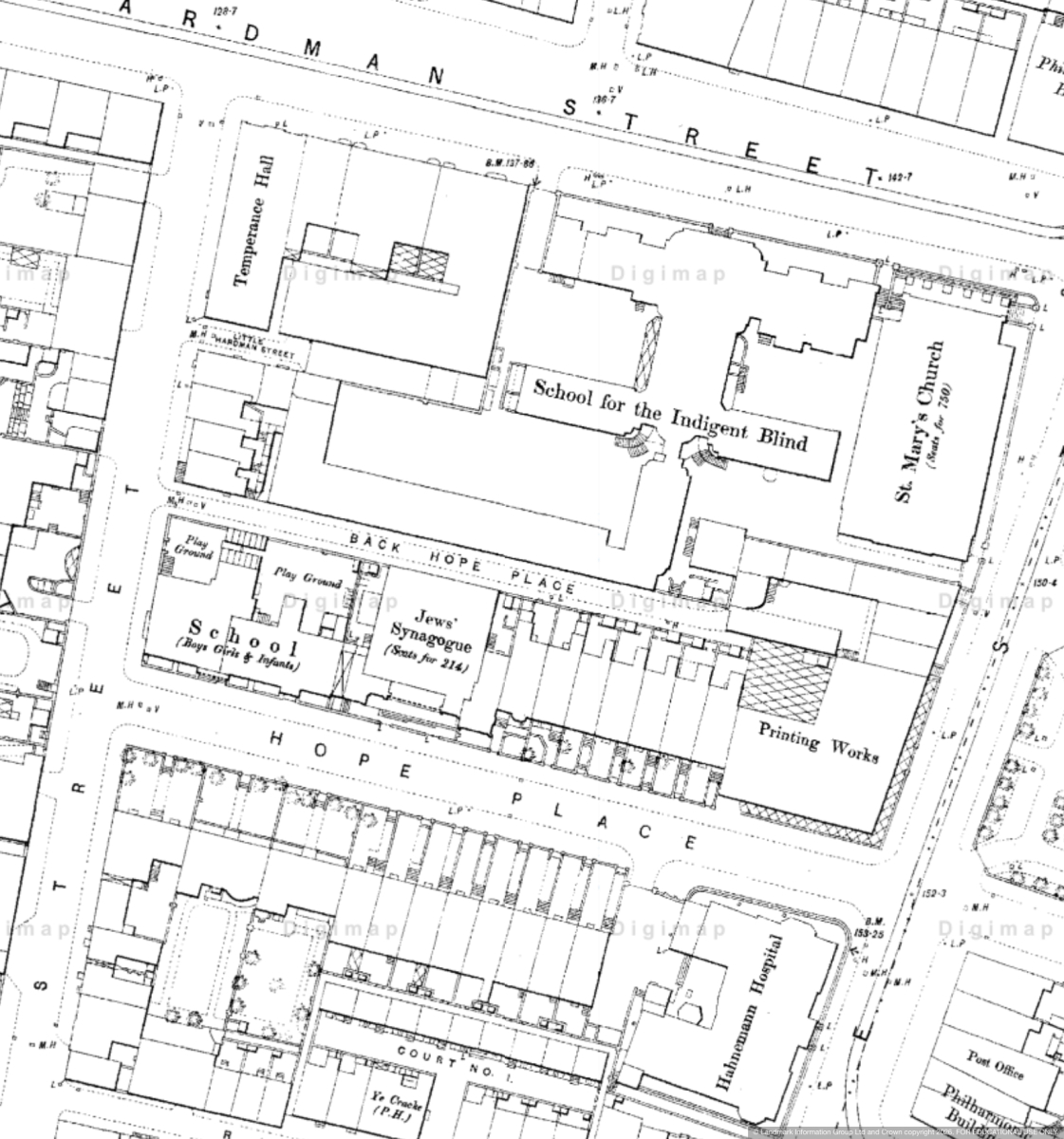
Opened and consecrated on 9th September 1857, it was one of the earliest purpose-built Jewish places of worship in Liverpool, serving a growing Jewish community during the 19th and early 20th centuries. Built for Liverpool’s new Hebrew congregation, it then became the Hope Place Synagogue in 1937 for Liverpool Liberal Jewish congregation, and the original, New Hebrew Congregation moved to Greenbank Drive Synagogue, which remained in operation until 2008.
It seated 450 people, including 200 ladies, in the semi-circular gallery.
It was described as a ‘Sanctuary in Miniature’ and over the main porch-way an inscription was carved in Hebrew…
‘Yet will I be to them a minor sanctuary -a holy sanctuary in the countries where they shall gather’
Soon after the opening, a serious defect in the roof was discovered and was declared unsafe, meaning services had to be held in the Vestry. In October 1862, a contract was signed for a complete new dome roof (unique in Liverpool and acoustically perfect) costing £800 and on 17th May 1863 the synagogue was re-consecrated.
In 1902, Mr and Mrs Jacob Lipson paid for the installation of electricity. In 1904 two new wings replaced the winding staircases with straight ones, providing safer access to the Ladies’ Gallery.
By the mid-20th century, many Jewish families had moved to other areas of Liverpool, congregation numbers declined, leading to closure in 1965. Its role was eventually taken over by newer synagogues, such as the nearby Liverpool Old Hebrew Congregation Synagogue, the Liberal Jewish Congregation moved to new premises in Church Road North, Wavertree.
Digital Exhibition
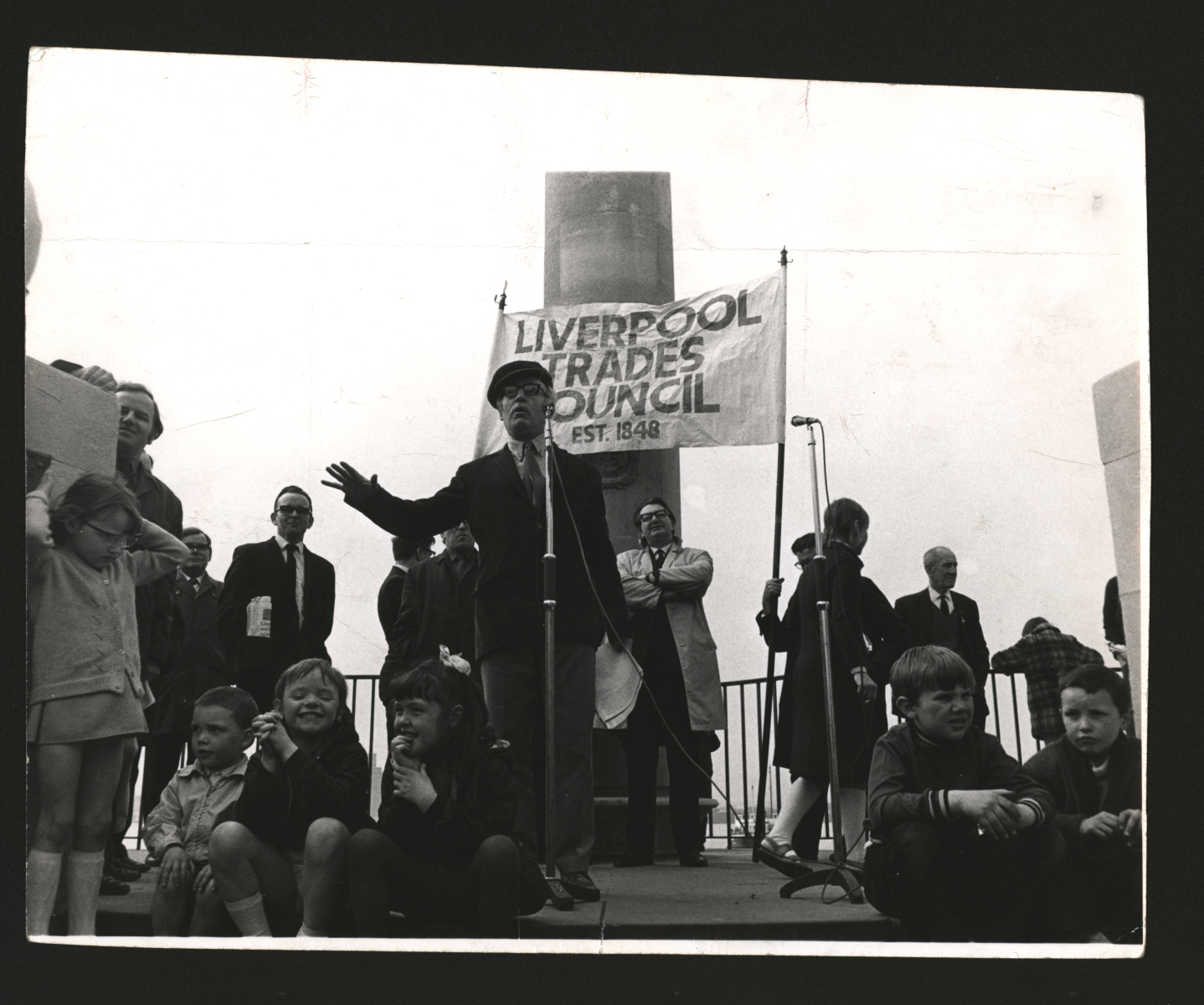
A Radical Re-imagining: the History of Merseyside Unity Theatre 1937 – 1987 is an exhibition curated in partnership with the Unity Theatre as part of its Heritage Lottery funded project. Celebrating the theatre’s political roots, the exhibition brings together archive material documenting fifty years of working-class performances and activism. From street corners to factory canteens, rallies to St George’s Hall, Merseyside Unity took their productions directly to the people. By uncovering these lesser-known radical histories, this exhibition serves as a powerful reminder that the theatre remains an important platform for challenging the status quo and driving social change.
Oral Histories